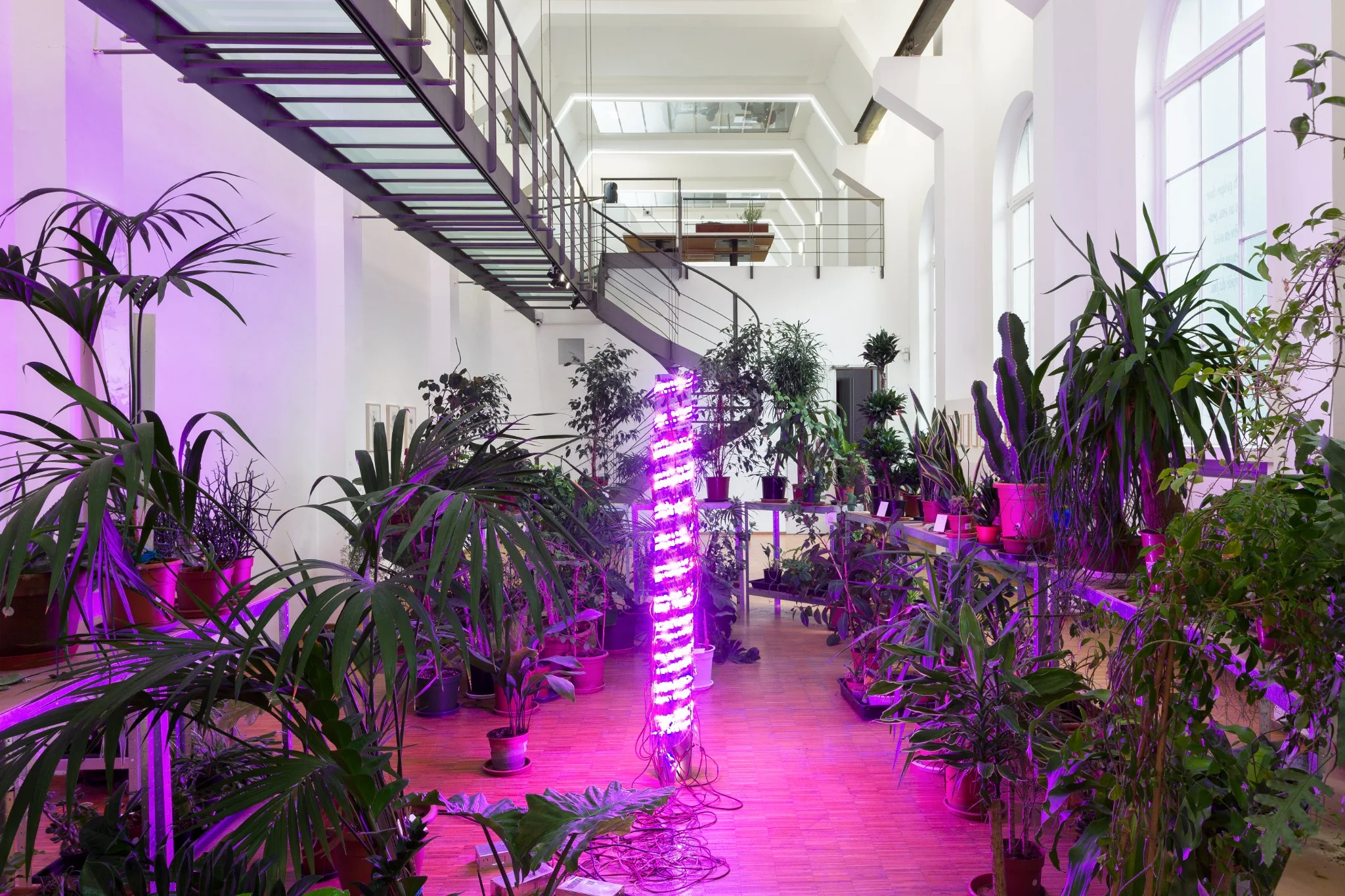
RecognitionPremi GAC 2019 — best gallery exhibition
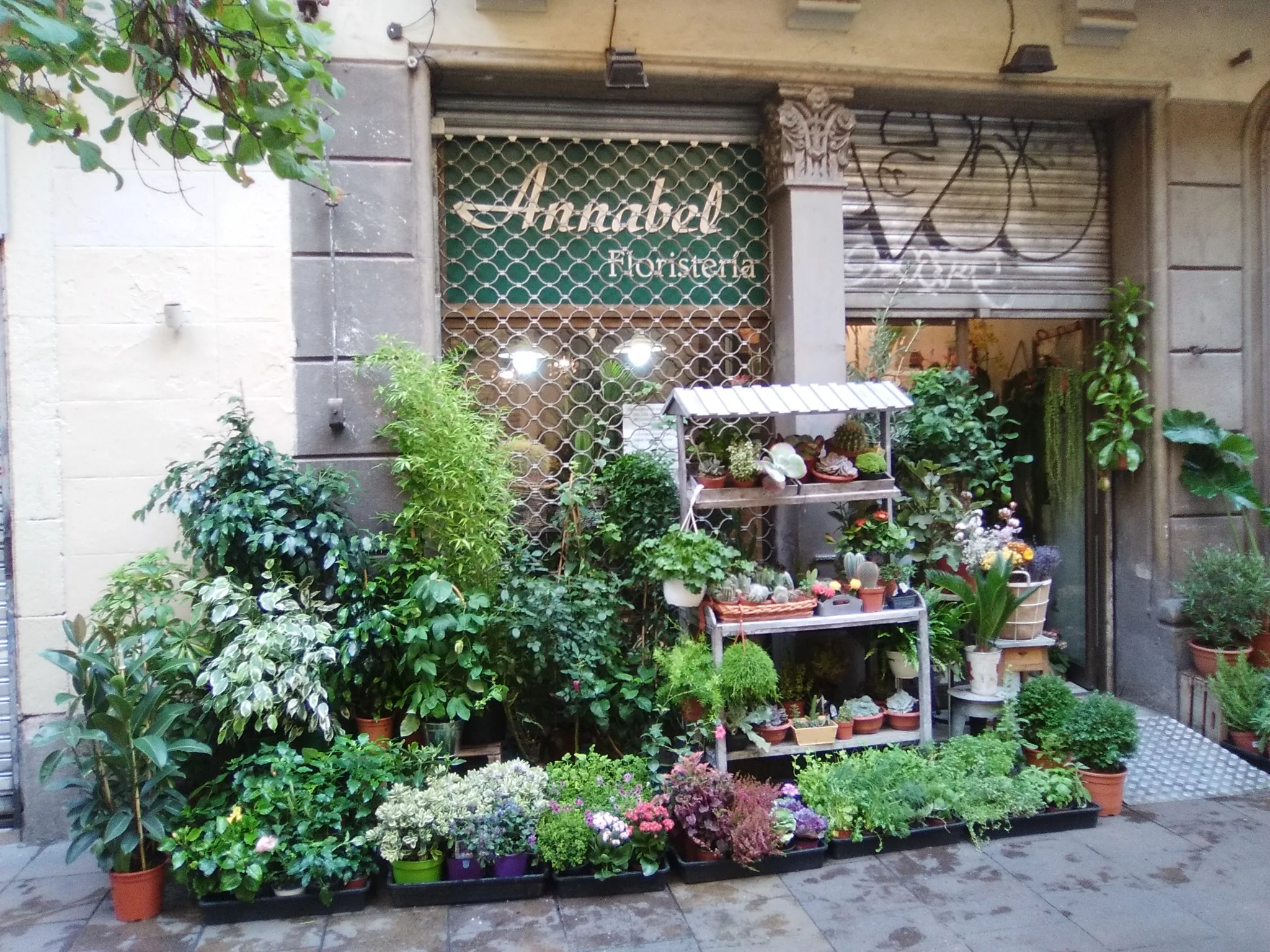
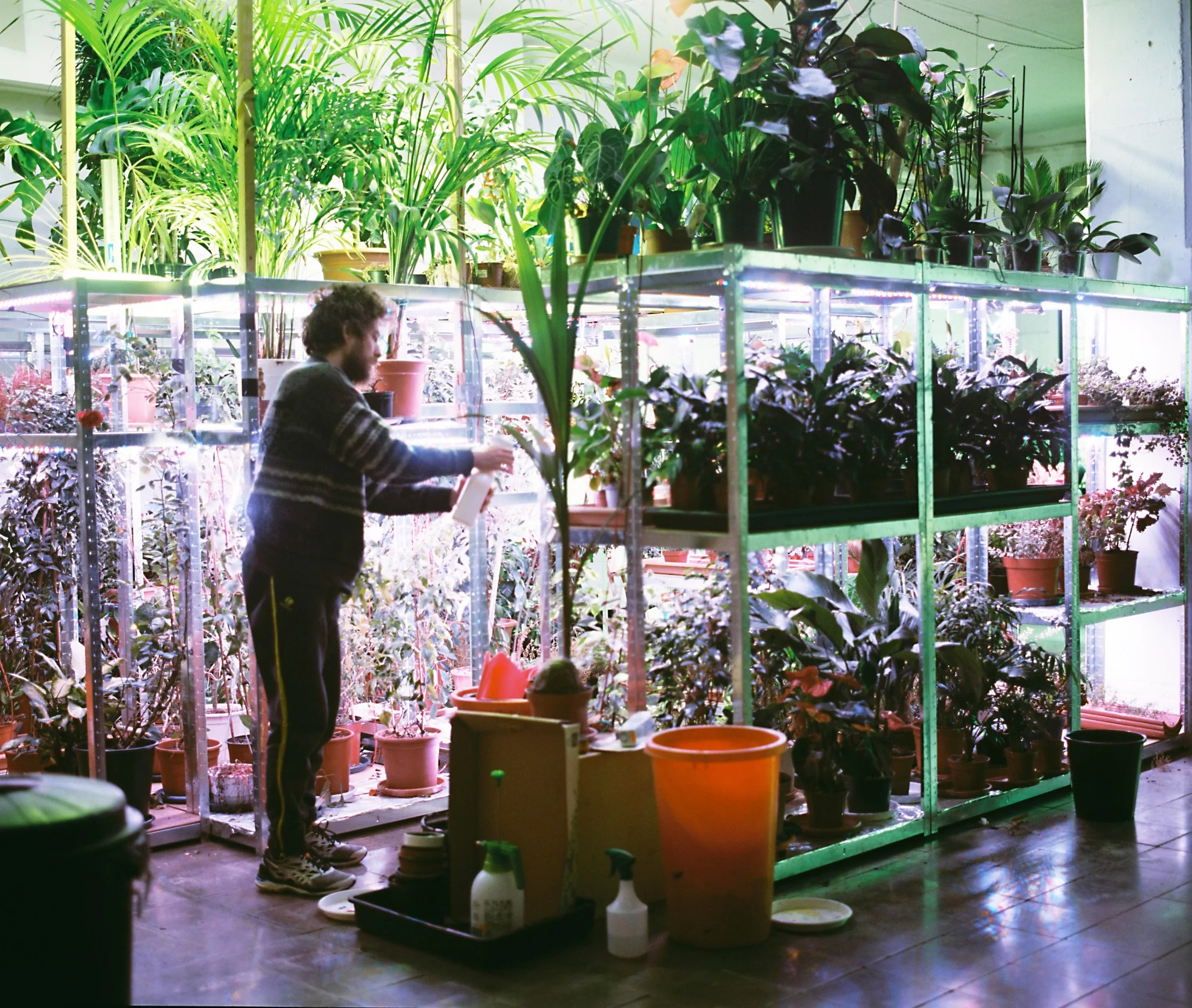
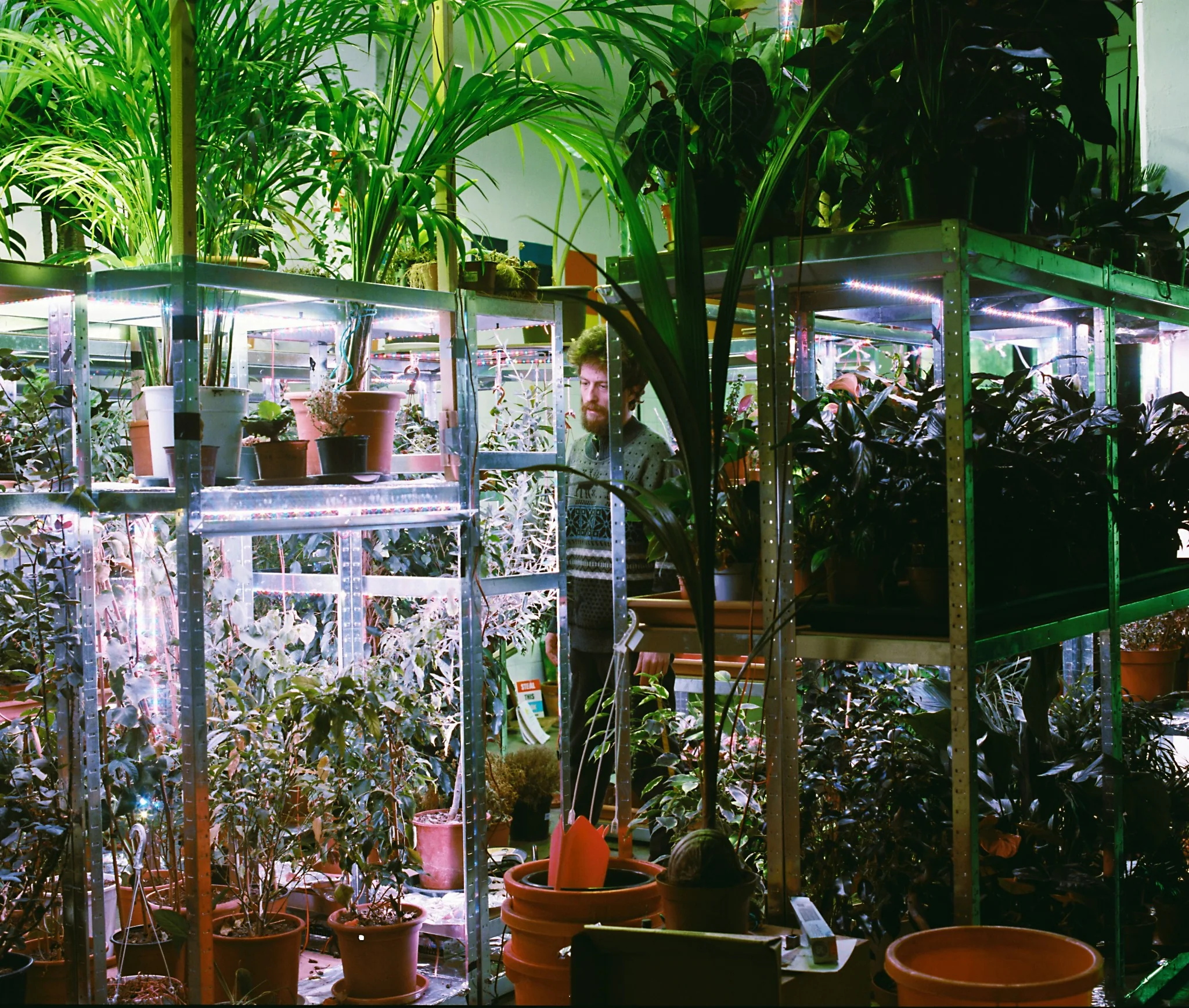
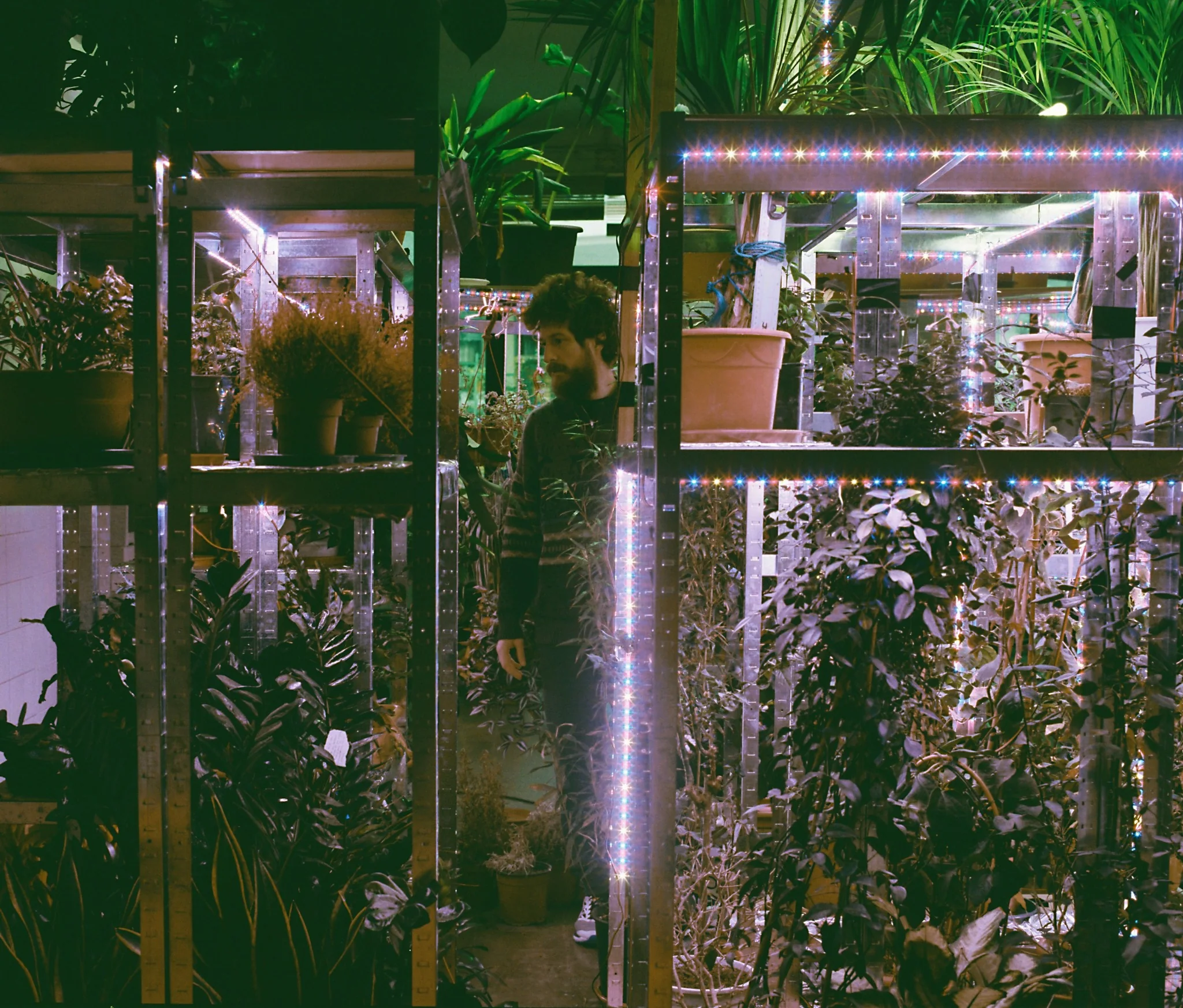
In September 2016 I bought the entire stock of a flower shop in Barcelona’s Gràcia neighborhood: more than four hundred plants and around three hundred cut flowers. I was interested in thinking of the flower shop as a complete system made, in turn, of hundreds of living systems interacting with one another. I moved all the plants to the studio and began to observe, measure, and live with them.
The project was initially meant to last one year, but it soon stopped having a defined duration. The plants became a mobile, permanent, constantly changing installation: a system that keeps changing whenever its place, conditions, or participants change.
With more than four hundred plants together, things have to happen. And I have to be able to see or perceive some of them.
Project phases
1. The flower shop · Barcelona, 2016
The project begins in a neighborhood flower shop. Buying the entire stock preserves a system at one specific moment: not before and not after. Maite, the shop owner, is part of the memory of that origin.
Conversation with Maite, the florist
2. Salamina · L’Hospitalet de Llobregat, 2016–2017
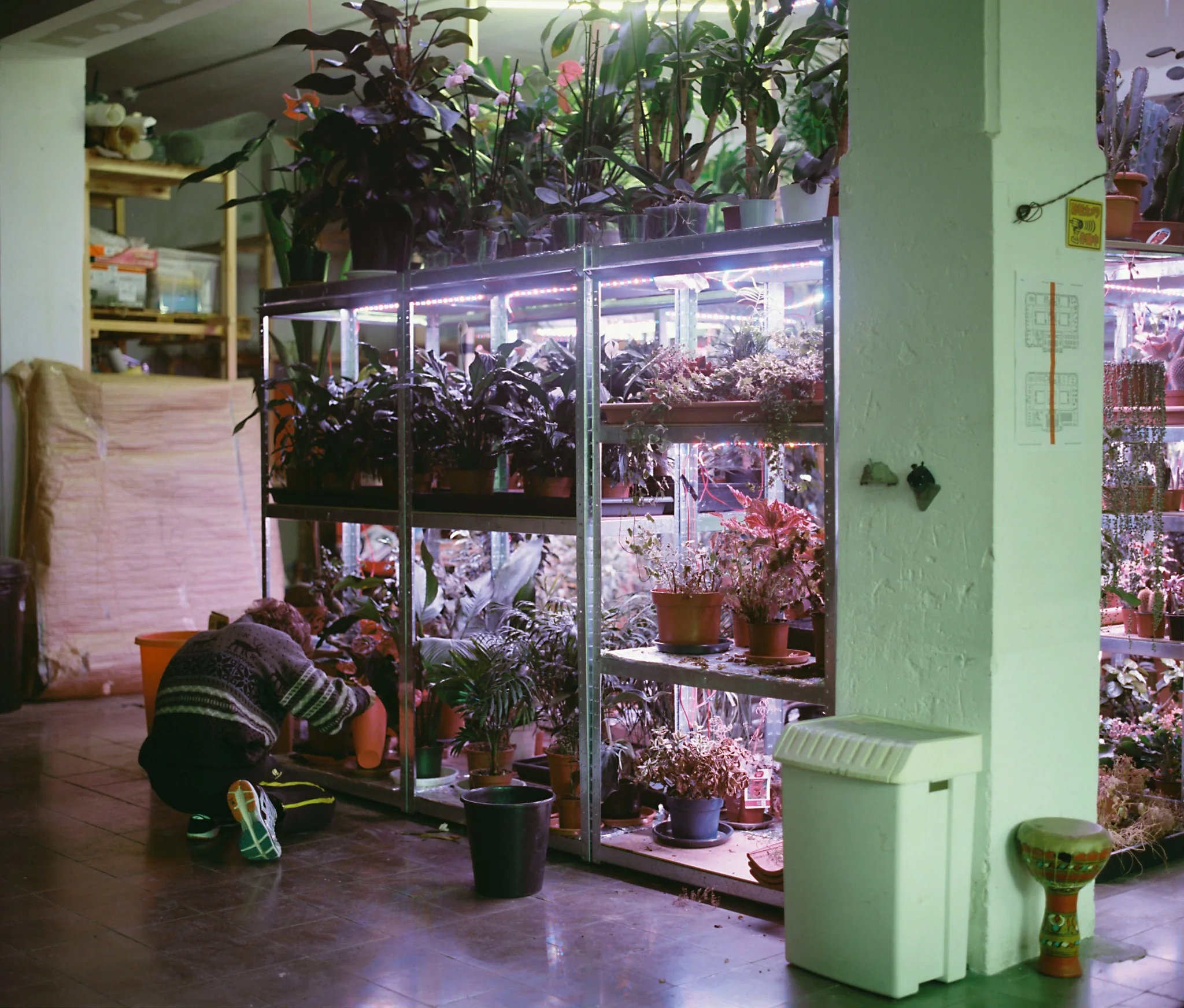
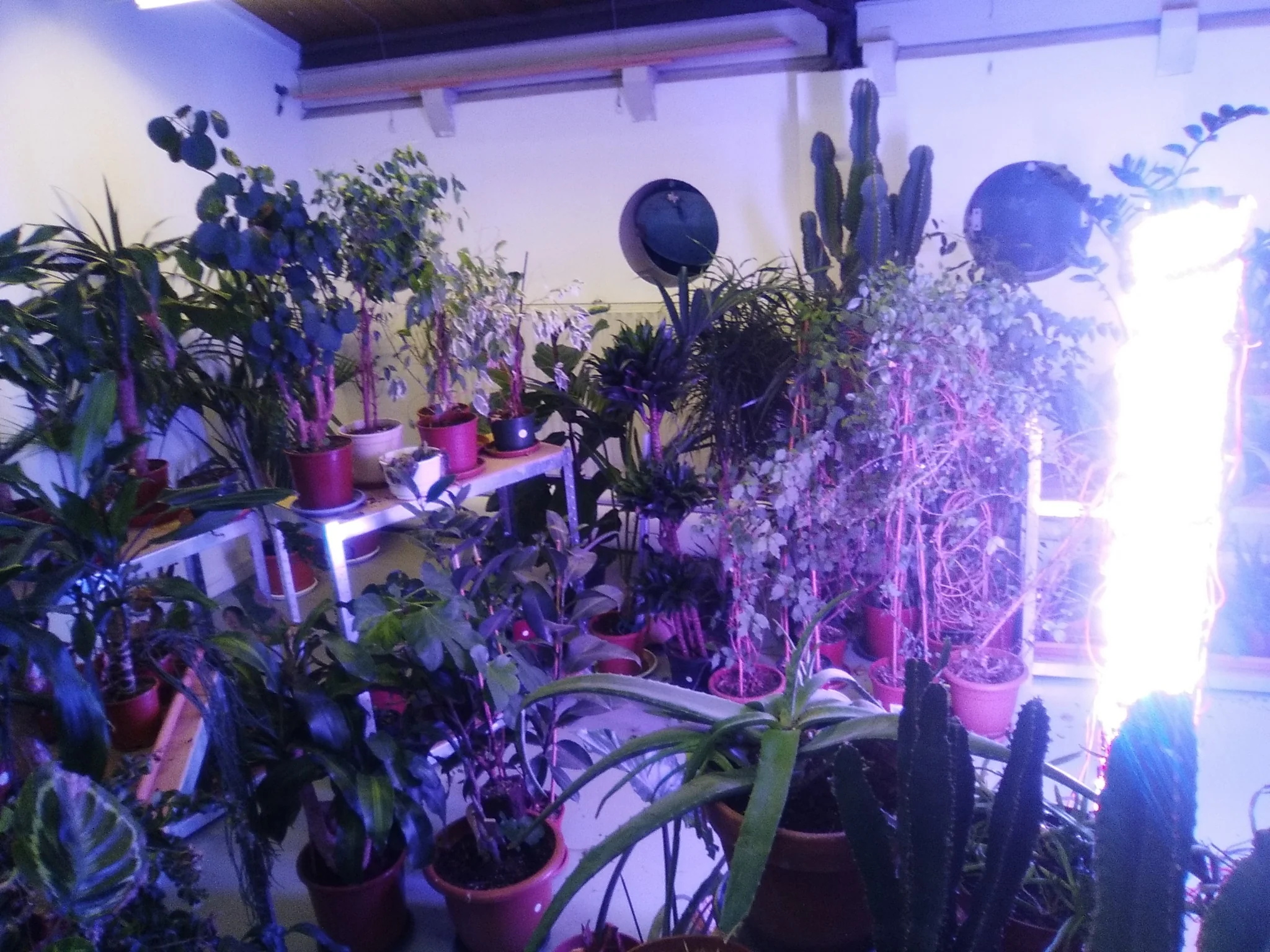
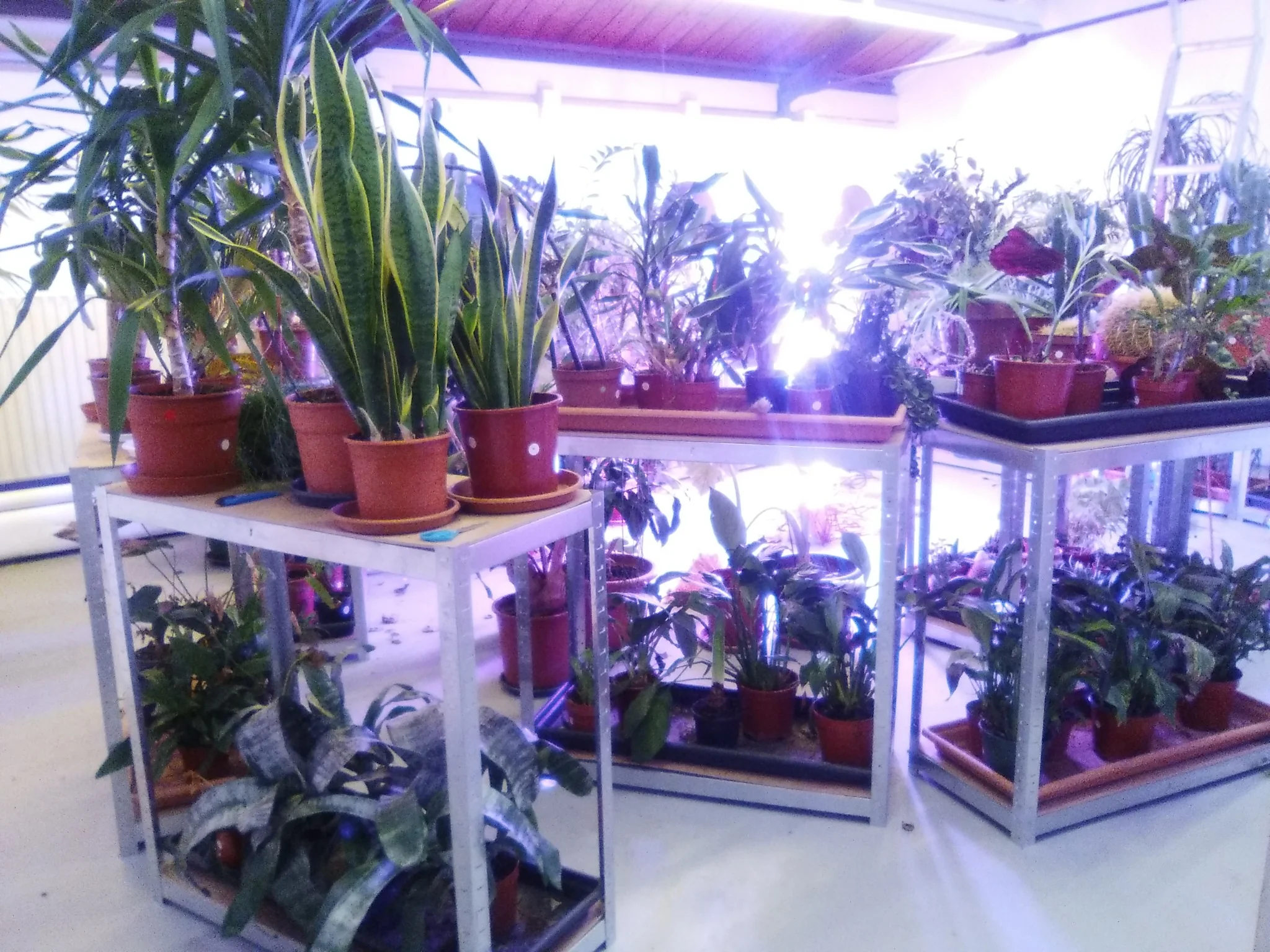
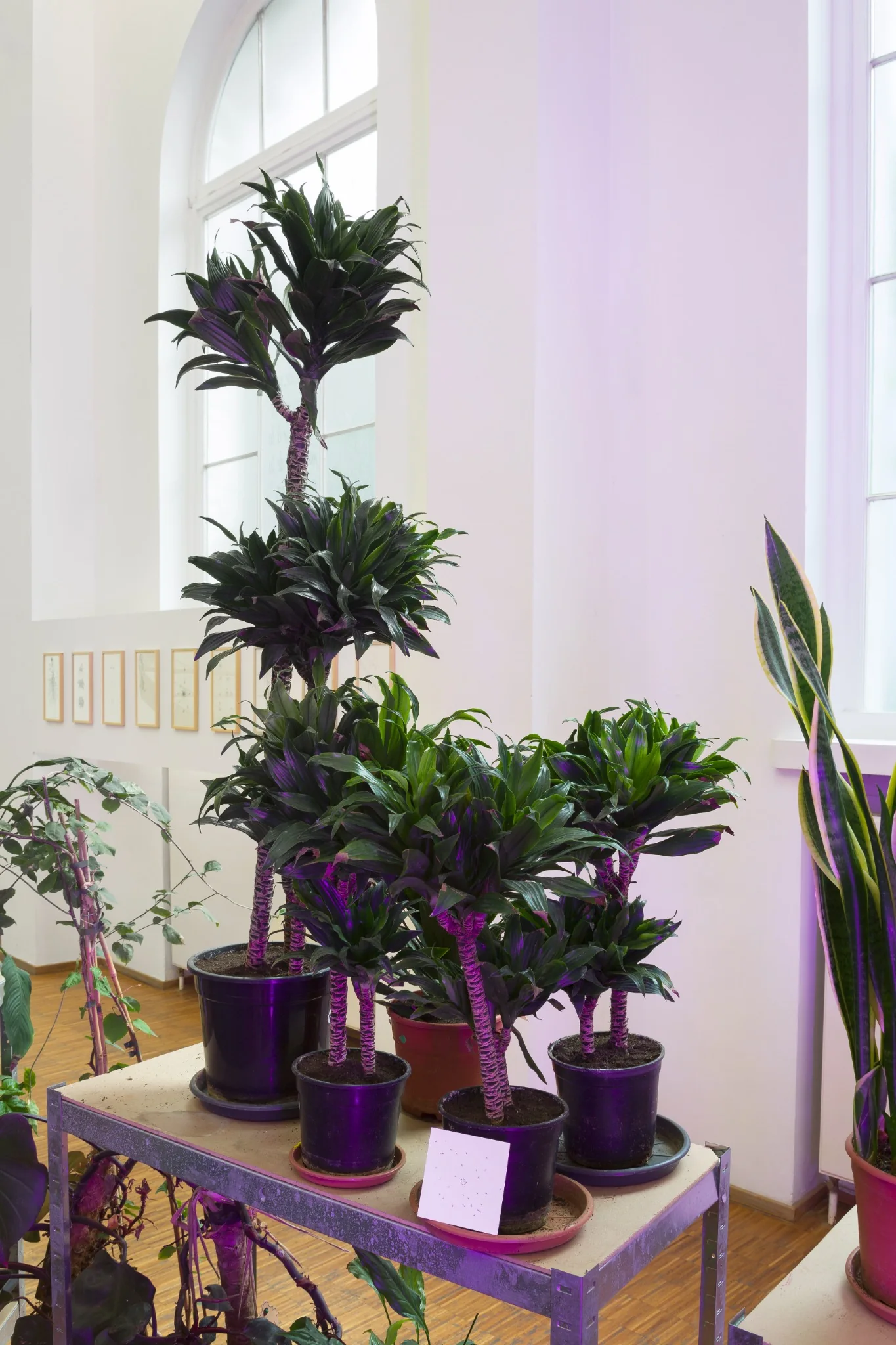
At the shared studio on Salamina Street, the plants move from being commercial stock to forming an everyday environment of work and care. The need to know when each individual plant requires water pushes the project toward measurements of surface, volume, color, humidity, and light, and toward research with the UAB Optics Group on polarimetry, leaf structure, and water retention.
Photographs: Román Yñán
3. ADN Galeria / Abrons Arts Center · Barcelona–New York, 2017
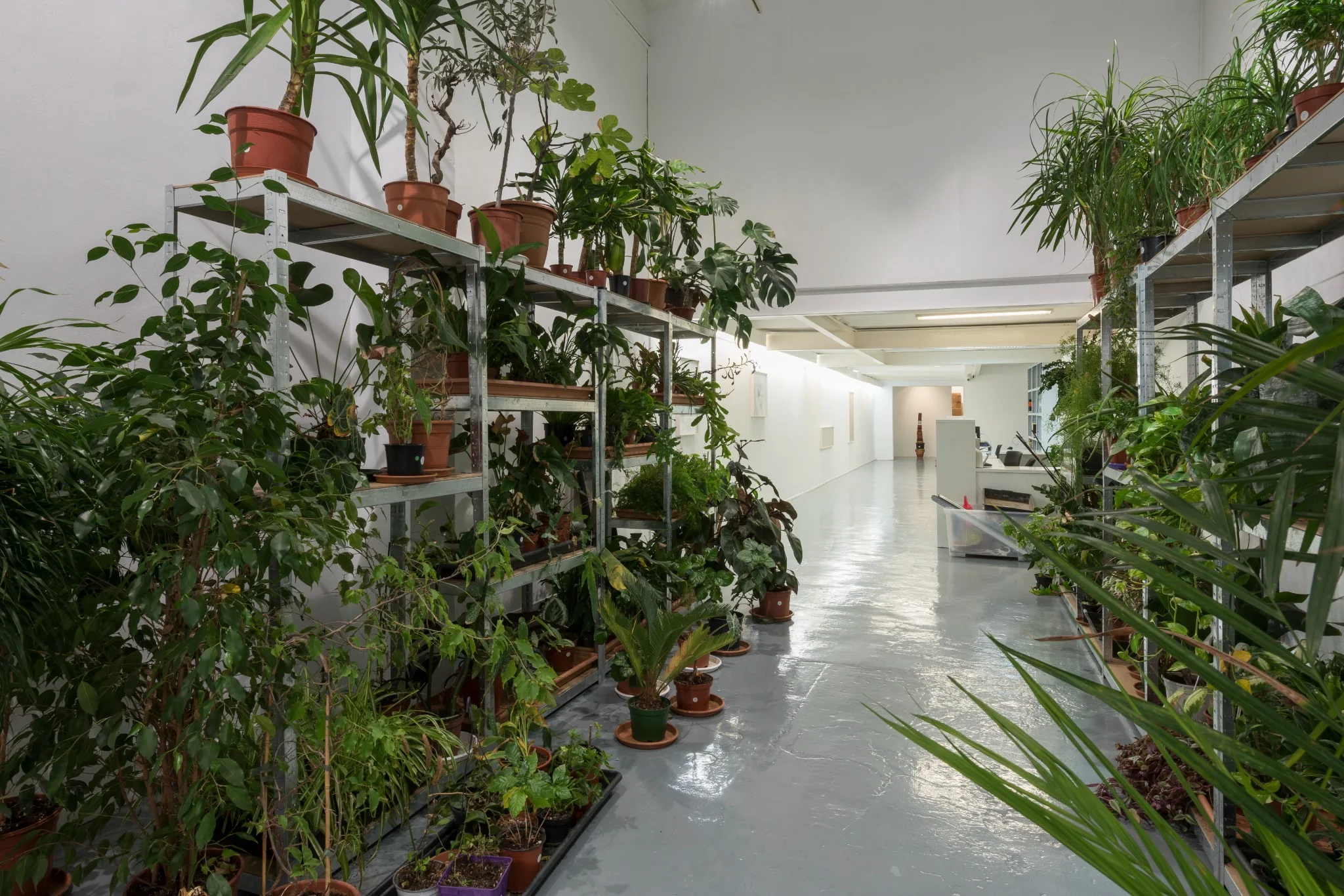
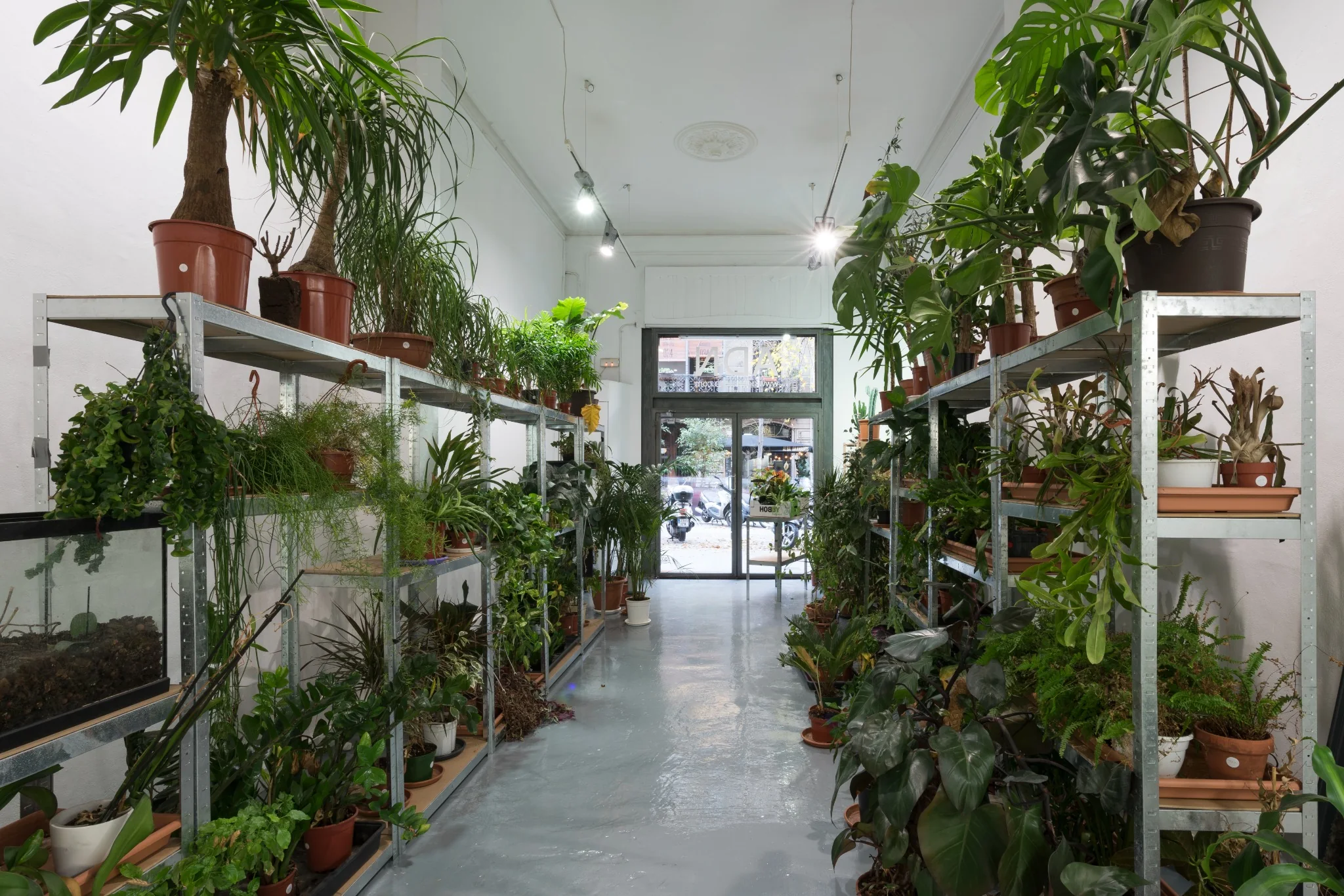
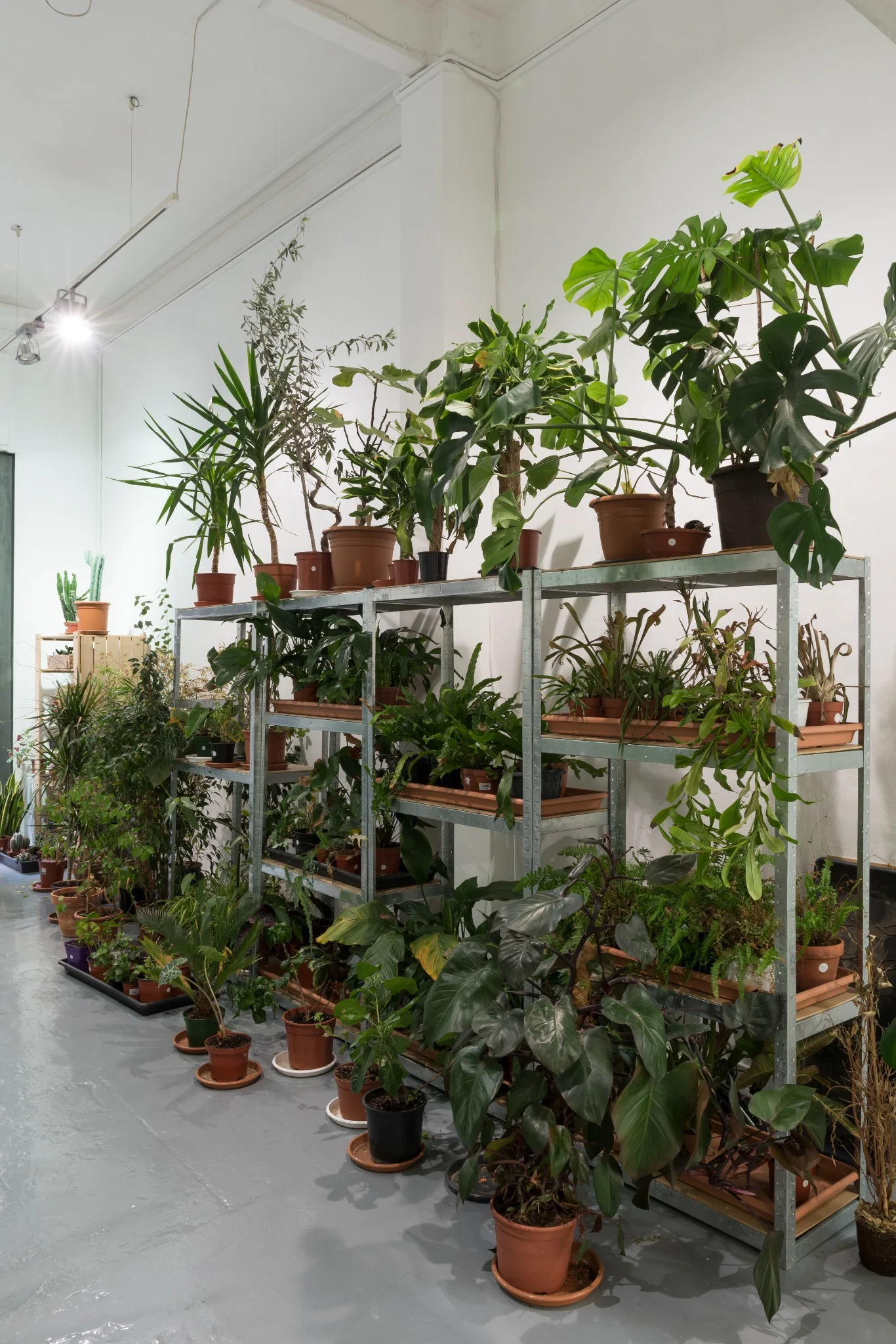
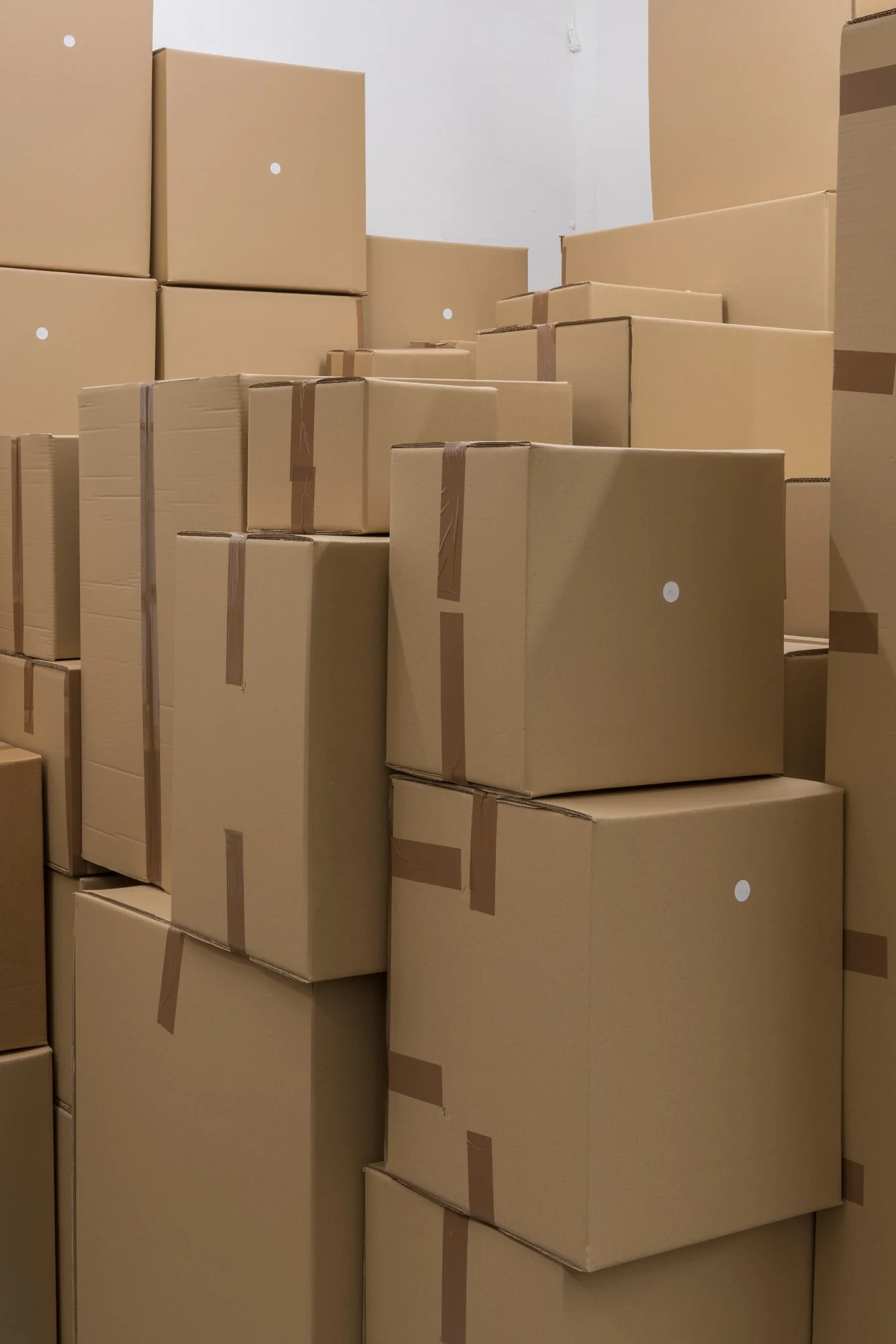
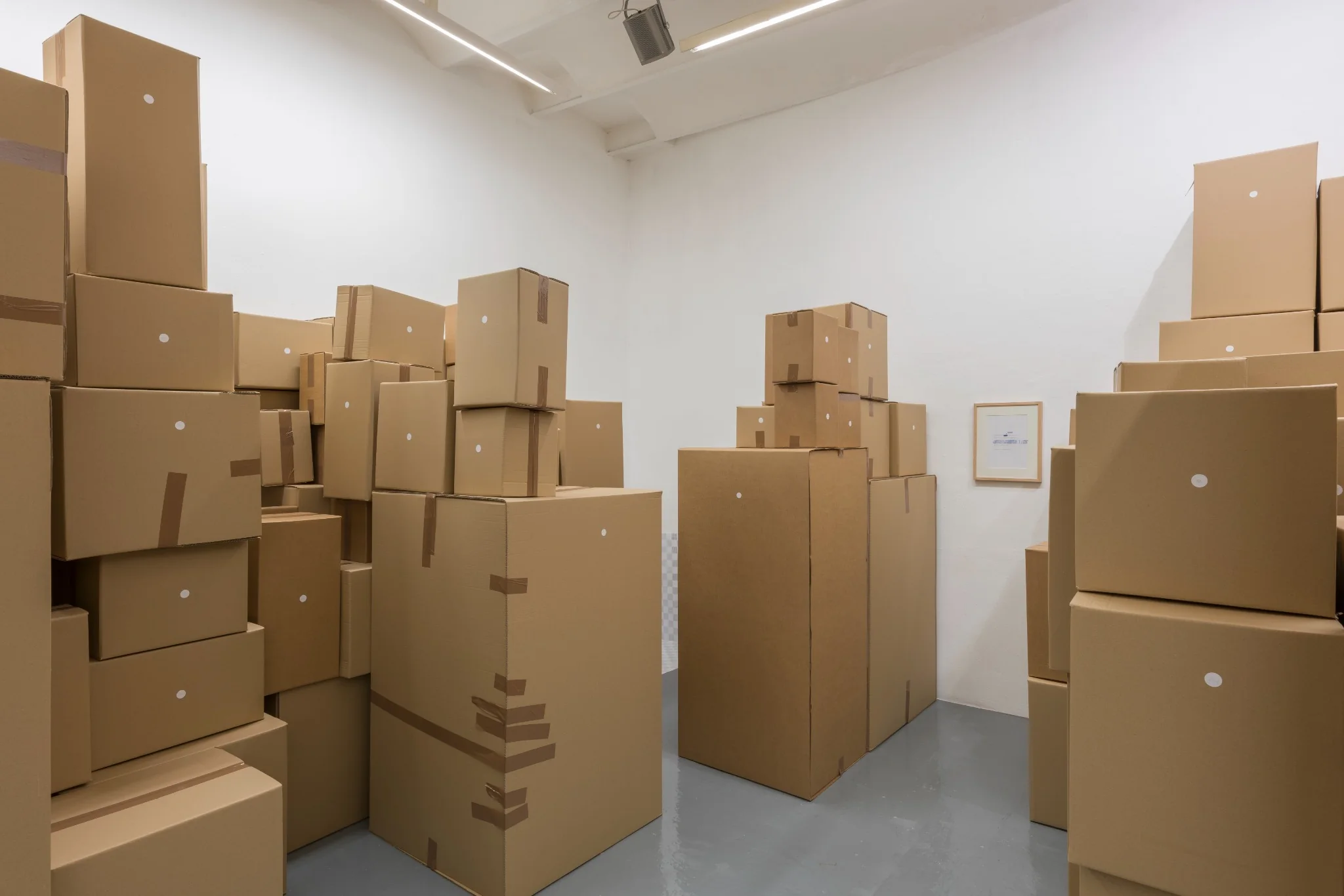
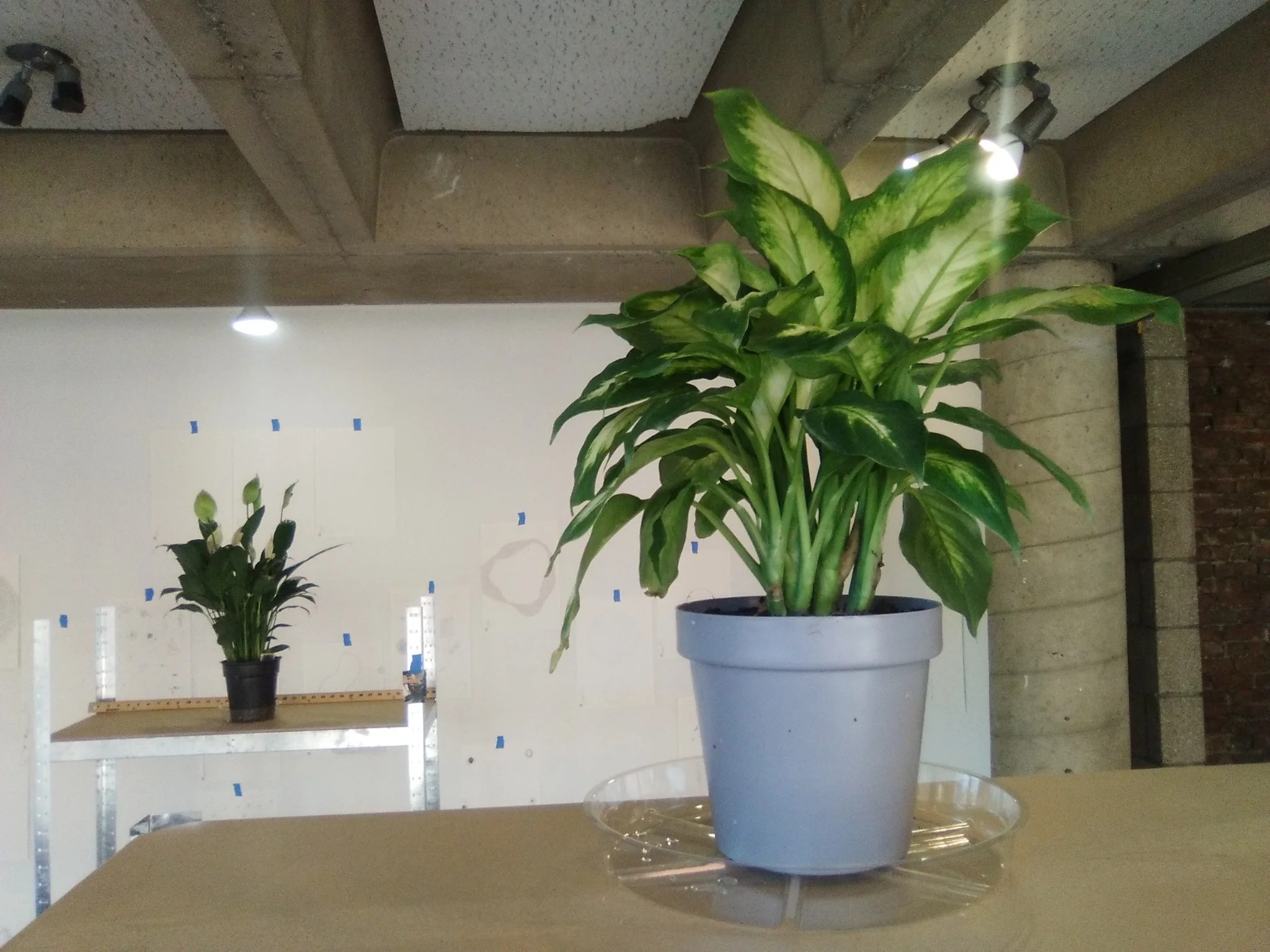
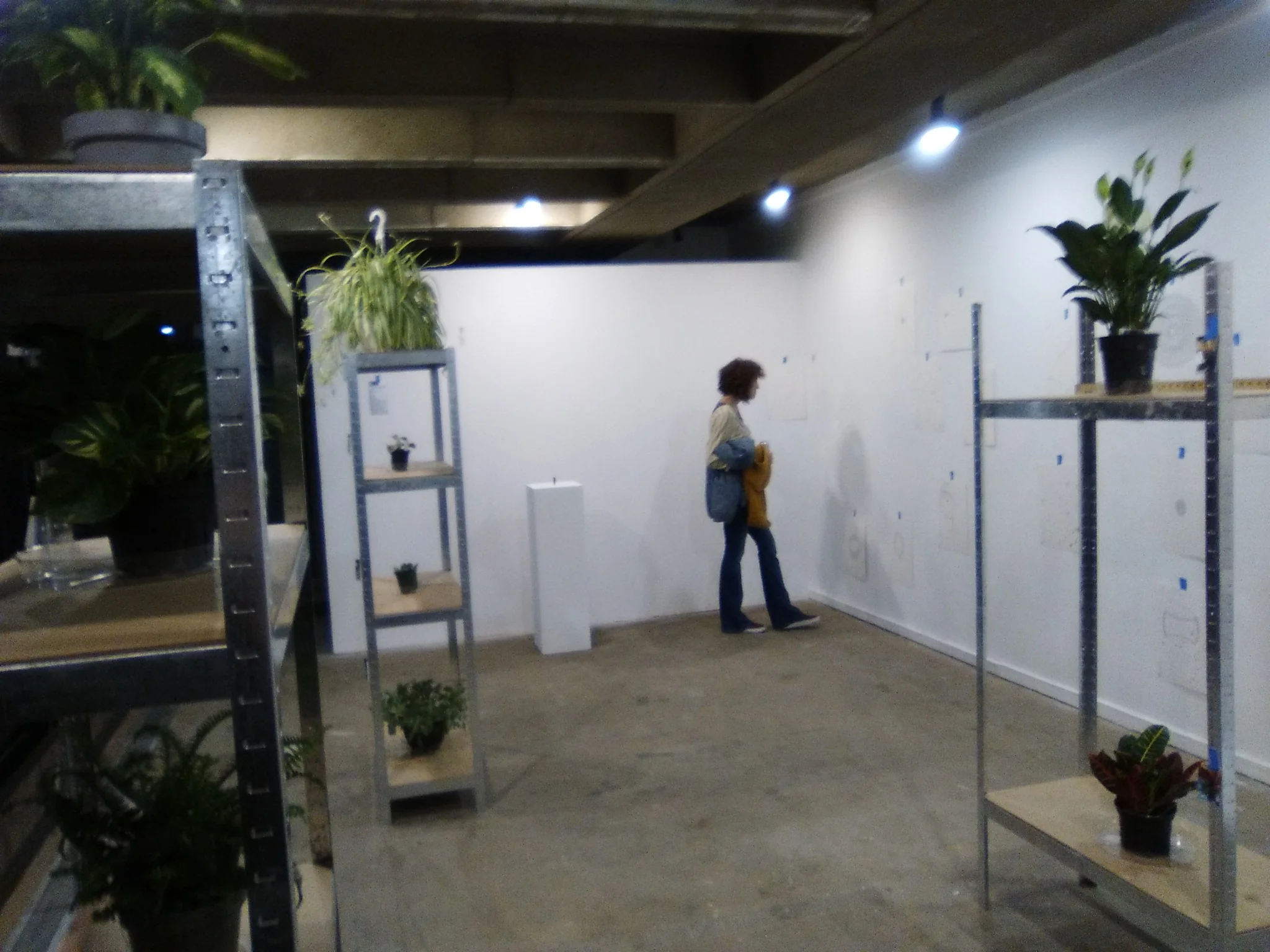
At ADN Galeria, the plants occupy the space while their transport to the United States is being prepared. A custom cardboard box is built for each plant. The journey requires USDA permits, phytosanitary certificates, inspections, soil-free plants, and a long chain of legal and biological conditions and agents. In the end, import restrictions prevent the Barcelona plants from traveling.
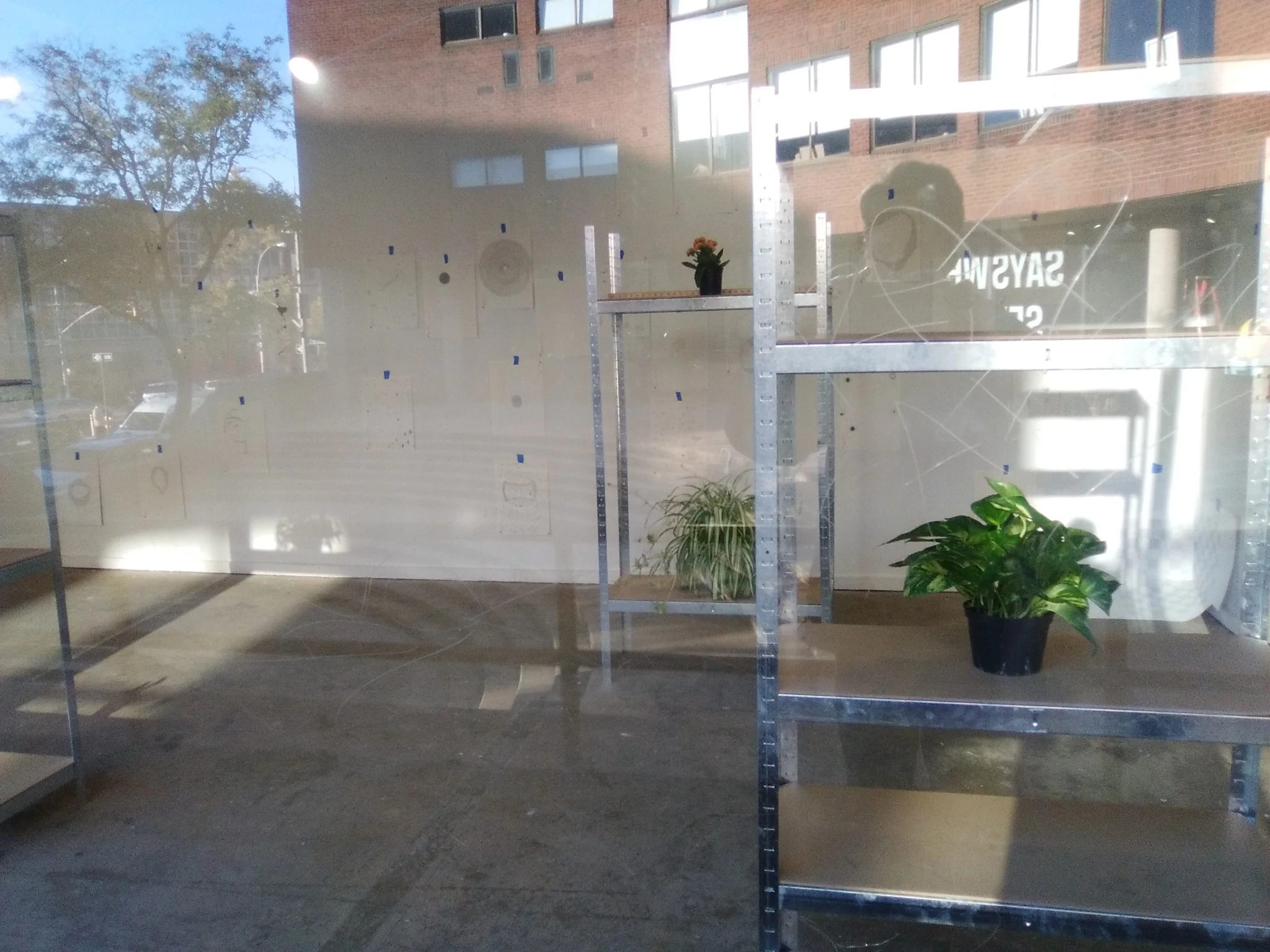
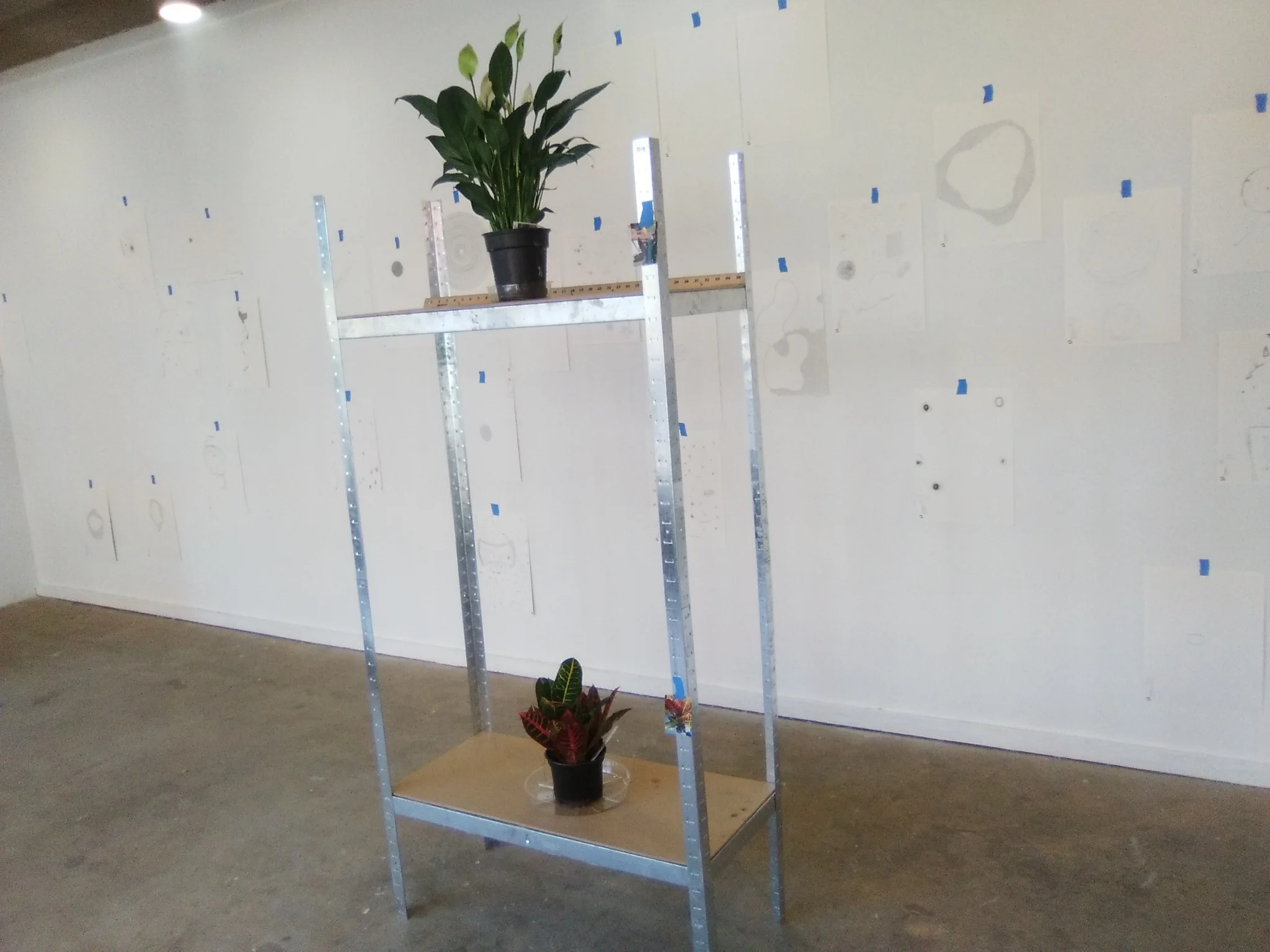
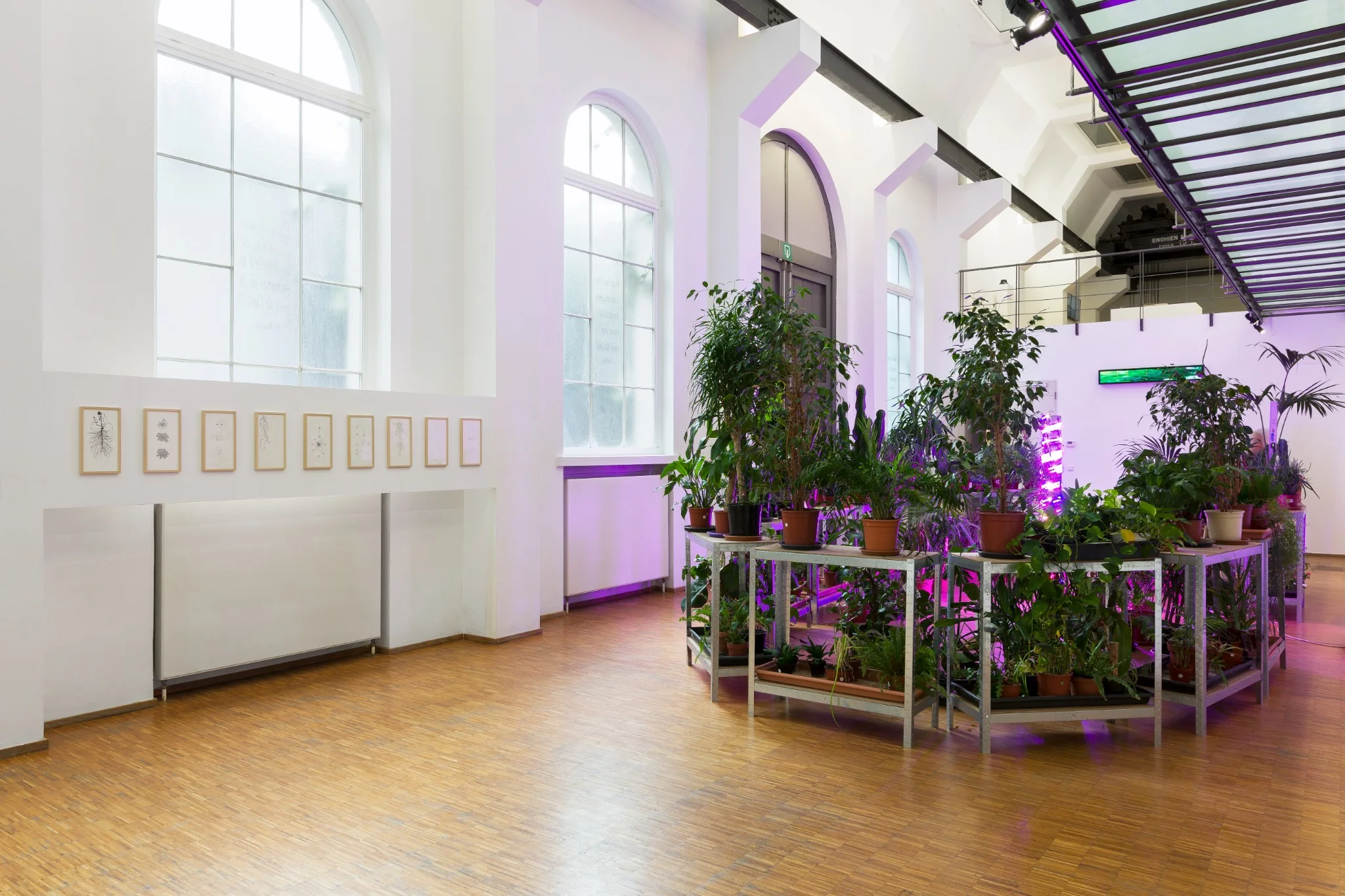
At Abrons, the project continues with ten plants belonging to species that could have been imported, but sourced directly in New York. The wall grid, drawings, documents, and plants turn the gallery into a kind of measuring chamber. This phase was curated by Xavier Acarín and presented simultaneously at ADN Galeria and Abrons Arts Center.
ADN photographs: Roberto Ruiz
4. Rijksakademie · Amsterdam, 2018
Because the plants could not continue to the United States and I began my residency at the Rijksakademie, the system moved to Amsterdam. The change of place does not close the project: it changes the conditions of light, space, maintenance, and coexistence once again.
5. A FOREST · ISELP, Brussels, 2018
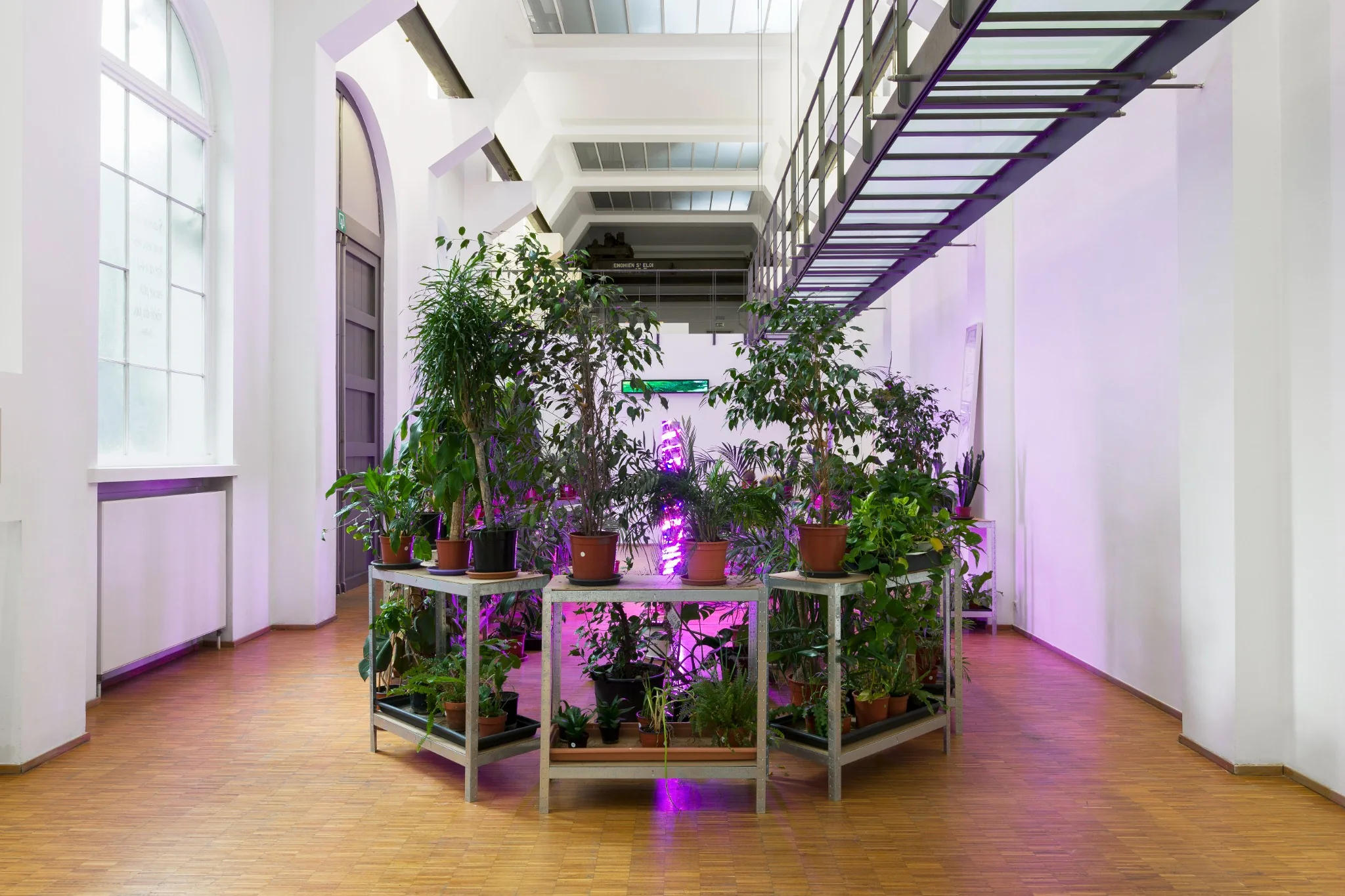
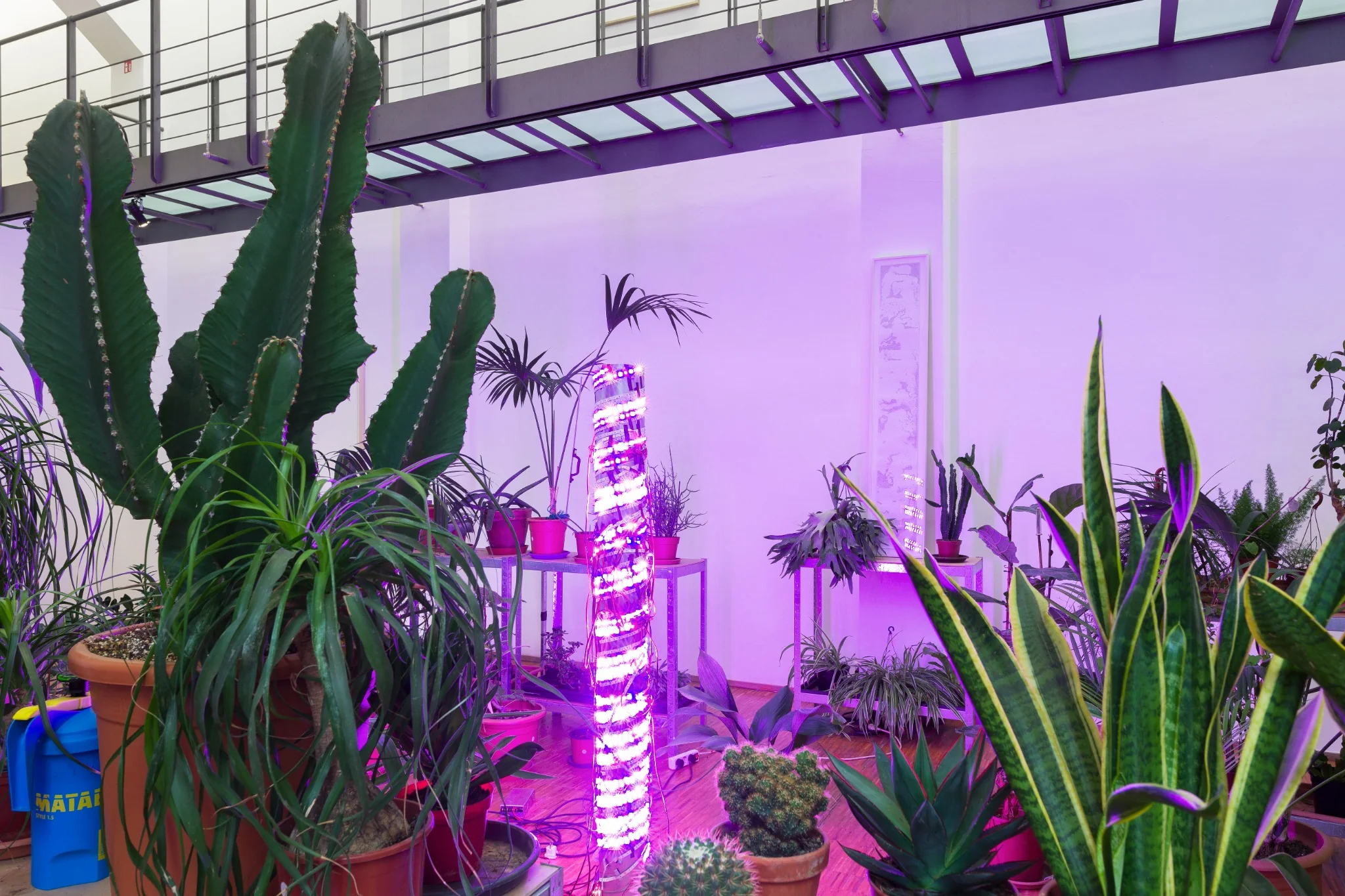
The plants continue their journey in Brussels as part of the group exhibition A FOREST at ISELP, curated by Laurent Courtens. Here they appear as a living system within an exhibition devoted to the vegetal world and complex ecosystems.
6. Return home · ongoing
After Brussels, the plants returned with me. Some of the original plants from 2016 are still alive today. The project therefore has no final form: its duration is also the duration of the organisms that have constituted it over time.
Curating and context
First phase: Frederic Montornés. ADN Galeria + Abrons Arts Center: Xavier Acarín. A FOREST, ISELP: Laurent Courtens.
The project began with financial support from ADN Galeria and received support from the Institut Ramon Llull for its international phase. In 2019 it received the Premi GAC for best gallery exhibition.